 View Calendar


Science is in Full Bloom!
Discover Natural Science Days at Gilroy Gardens
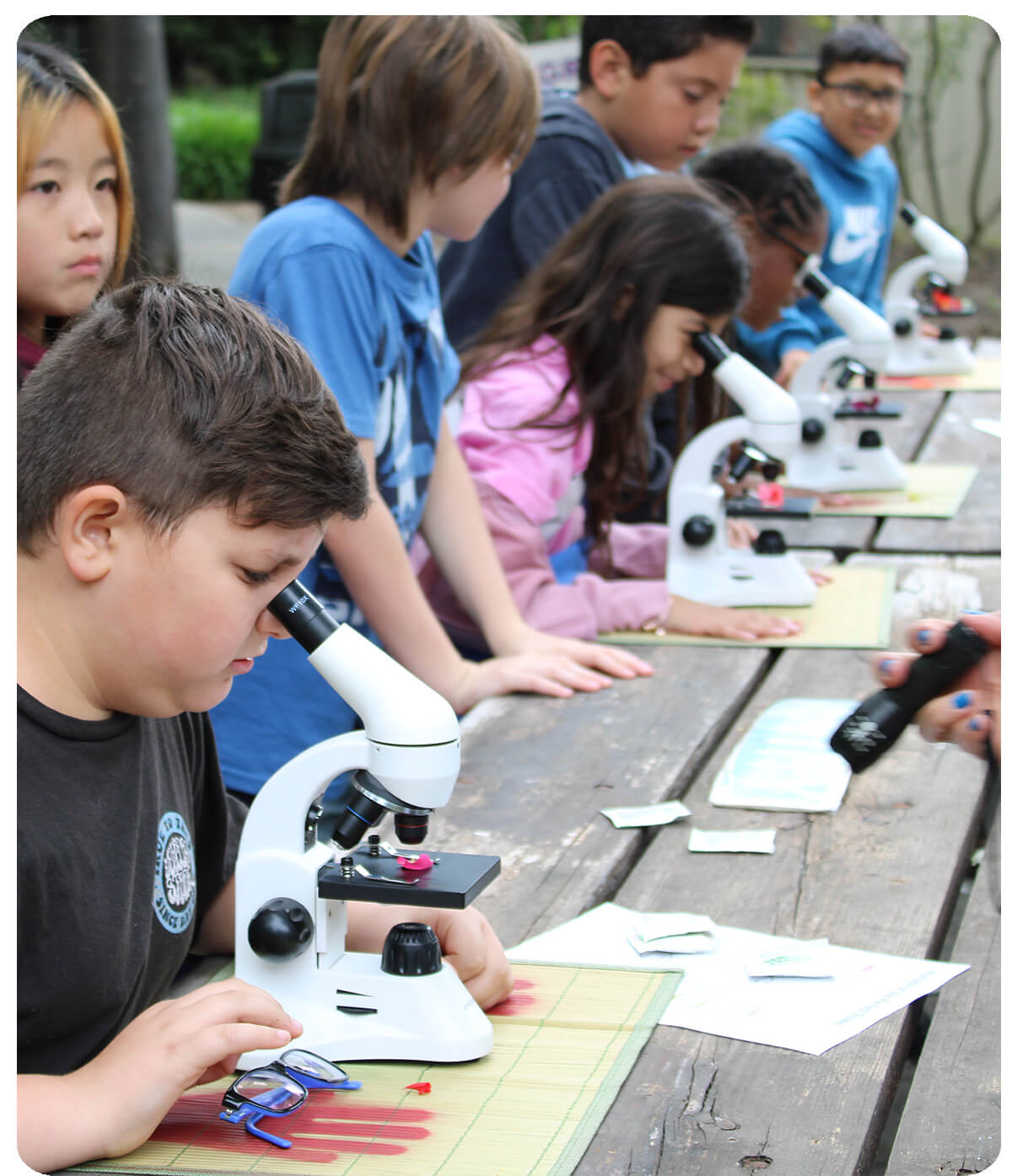
Explore Our Natural Science Day Learning Stations
At Gilroy Gardens, learning and fun grow side by side! Our Natural Science Days field trip program (held each year on Fridays in May) provides a unique chance for kids—and grownups—to learn more about trees, plants and the environment while having fun in our beautiful “living laboratory.”
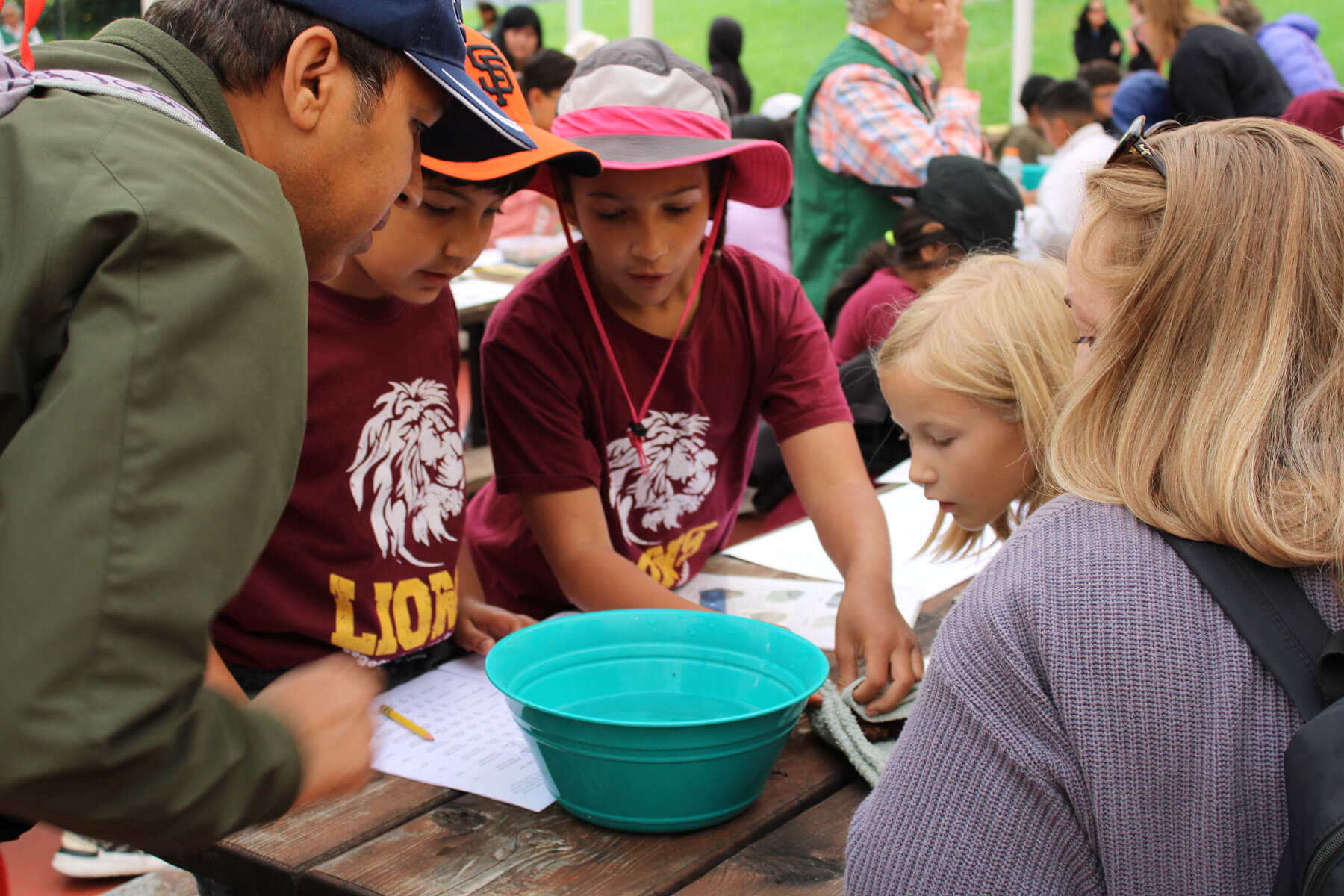
During Natural Science Days, students get hands-on with nature through exciting, interactive learning stations that spark curiosity and creativity. Every station is designed for kids to have fun while learning something new!
In this article, we’ll take a closer look at a few of our most popular learning stations—and also provide some crafts and projects you can do at home to reinforce some of the same scientific principles. If you do try any of these, please take a photo and post on your favorite social media channel with #GilroyGardens and #ShowYourScience!

Fun Fact: More than 28,500 elementary school students have participated in Natural Science Days since its inception.
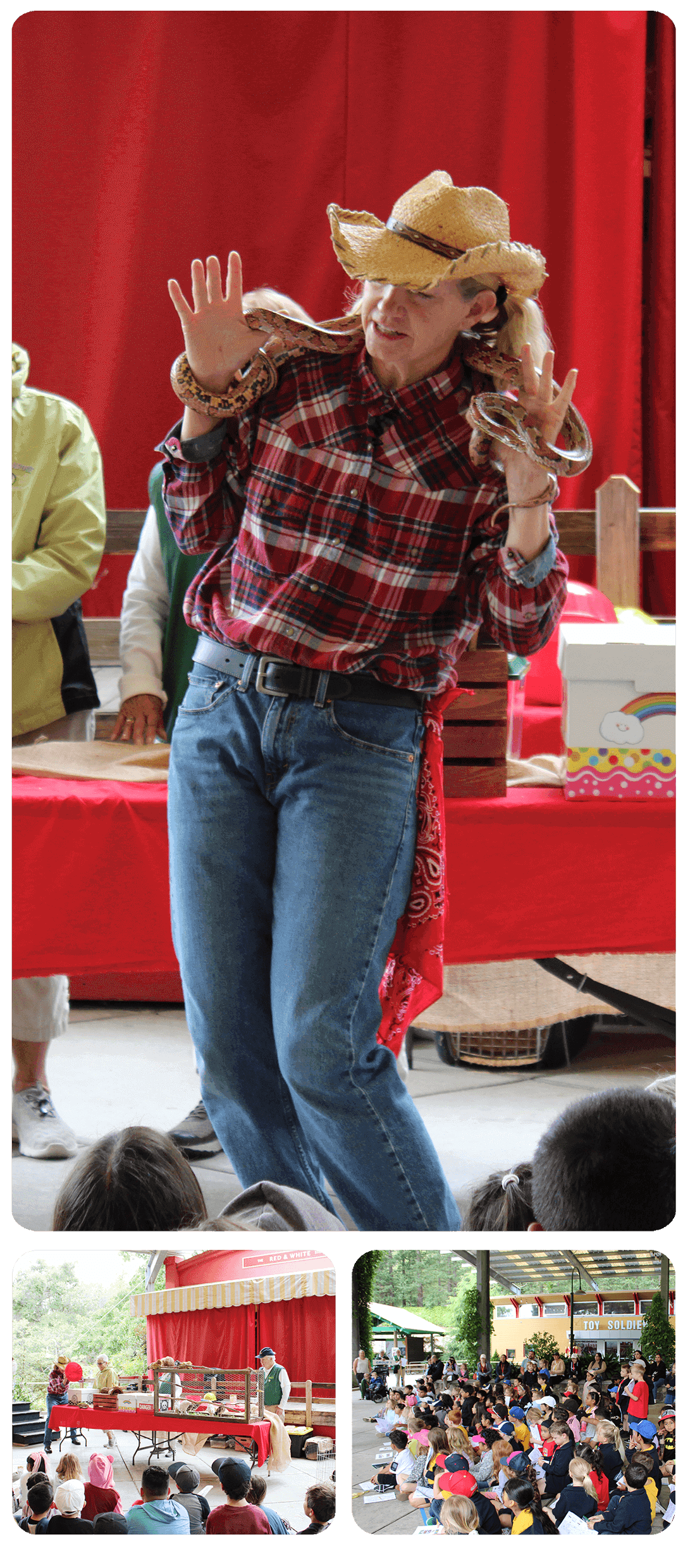
Learning Station #1:
Create a Food Chain
Kids love food—so this is always one of our most popular learning stations during Natural Science Days. Students discover how all living things are connected through what they eat. From plants that get their energy from the sun to animals that depend on those plants, everything in nature has a role to play. Students see how energy moves from one link to the next—and learn how each creature helps keep the environment balanced.
Try This at Home: Food Chain Mobile Craft
You’ll Need: Construction paper, scissors, markers, string, and a hanger or stick.
Steps:
- Think of your favorite insect, animal, or plant, and then think about how it gets energy. Then think about what other organisms eat it. This is the “food chain.” (For example, grass is a plant that gets energy from sunlight and water. Deer get energy from eating grass. And mountain lions get energy from eating deer.)
- Make a drawing of each part of the food chain on a small piece of paper.
- Label each drawing. What is it called? Is it a producer, consumer, or predator? You can ask a grownup for help with this part.
- Cut out your drawings and punch holes in the top.
- Connect them with string in order, showing which direction the energy flows.
- Hang up your finished mobile and show off your science skills!
- Something to think about: What would happen if one part of your food chain disappears?
Learning Station #2: Plant Parts
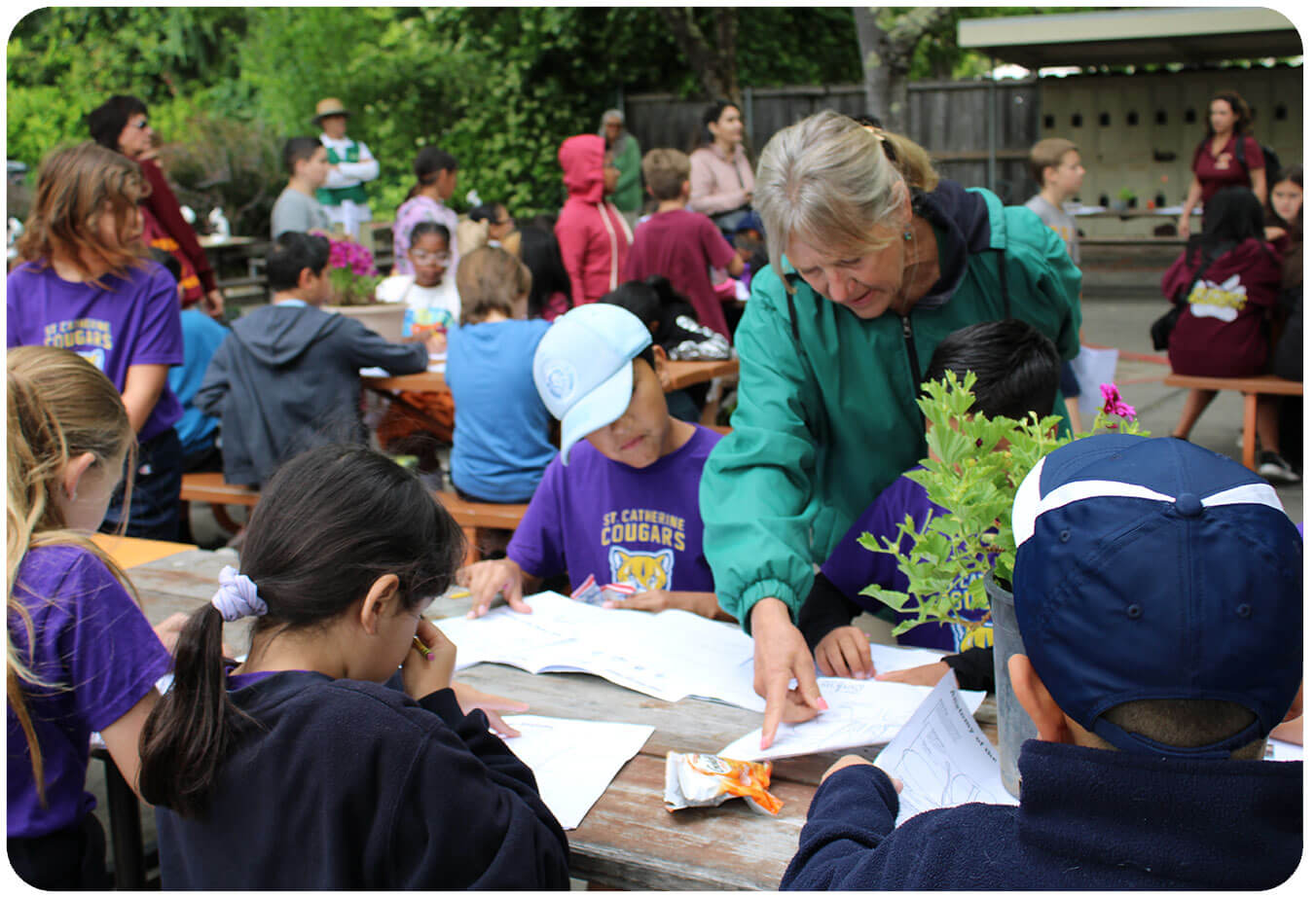
This colorful station at Natural Science Days digs into the science behind plants! Students get to learn about the roots, stems, leaves, flowers, and seeds that make up the plants we see every day—and discover how each part helps a plant grow strong and healthy.
Fun Fact: You’ll Need: a few celery stalks (with leaves if possible), 3-4 clear cups of water, and food coloring.
Try This at Home: “Drink Up!” Celery Experiment
You’ll Need: A few celery stalks (with leaves if possible), 3-4 clear cups of water, food coloring
Steps
- Fill each cup with water and then add a few drops of food coloring. Use different colors in different cups.
- Place one celery stalk into each cup, then wait a few hours or overnight.
- Watch the colored water travel up through the stem and into the leaves!
Learning Station #3: You Rock!
Get ready to dig into geology fun! At this hands-on Natural Science Days learning station, students explore different types of rocks and minerals, learning how they’re formed and what makes each one unique. They’ll even discover that rocks can tell stories about Earth’s history.
Try This at Home: Go on a Rock Hunt Adventure
Walk around your yard (or, with a grownup, to a nearby park or other natural area). Collect three rocks and compare them. Are they smooth, rough, shiny, or dull? Try sorting them by color or texture, just like a real geologist!
Fun Fact: If you find a really interesting rock and would like to learn more about it, bring it in to The Nature Exchange inside The Green Barn at Gilroy Gardens! Our friendly docents can help you identify what it is, look at it up close under our powerful microscopes, and even trade it for another natural treasure from our collection. Open spring through fall.
Keep the Learning Growing
Natural Science Days at Gilroy Gardens are full of hands-on learning, smiles, and moments that kids remember for years. Each station helps students see how everything in nature connects, from the food they eat to the rocks beneath their feet.
If you’d like to experience all these learning stations (and more) for yourself, encourage your teacher to sign up and bring your whole class out in May. It’s an unforgettable field trip that combines fun and learning in the great outdoors.
Dates fill up fast, so don’t wait! Learn more and book your visit today:
Natural Science Days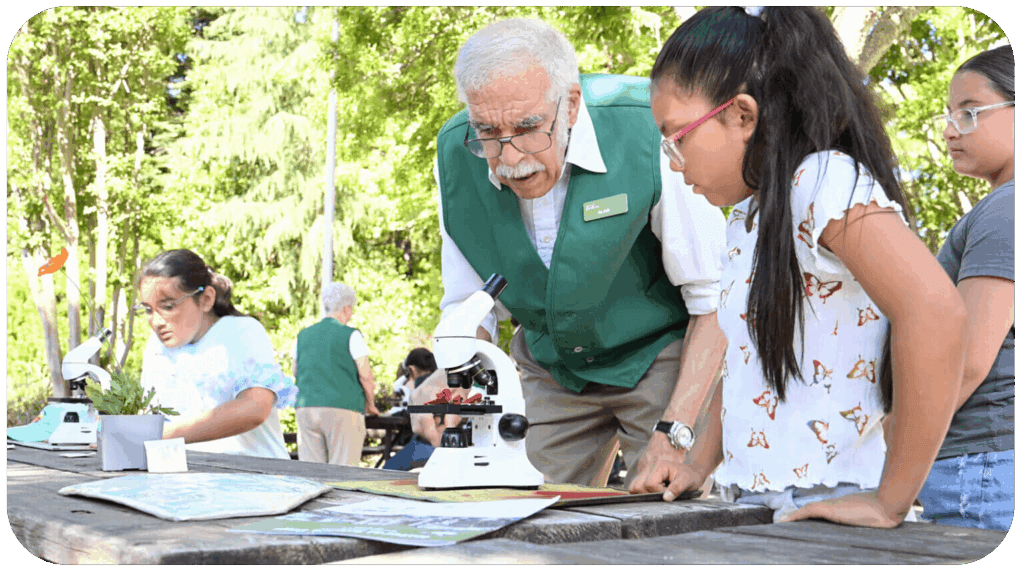
If you can’t make it on our official Natural Science Days, then check out our Explorer Program, which offers similar hands-on educational adventures in a self-guided format that your group can do any time during the regular season. It’s the perfect way to keep learning growing all year long!